“And this, our life, exempt from public haunt, finds tongues in trees, books in the running brooks, sermons in stones, and good in everything.” – William Shakespeare
Whenever I feel inspired, I go down the proverbial rabbit hole in search of a specific tree’s roots. These deeper stories often take me on winding journeys through time and cultures as I try to piece together how our ancient ancestors felt in the presence of these trees. I often wonder how each tree received its name and what stories they inspired.
967,307 hits

Madrone & Manzanita
Since moving to Southwestern Oregon in 2017, I’ve been fascinated by two mystical and magical species of broadleaf evergreens, the Pacific madrone (Arbutus menziesii) and whiteleaf manzanita (Arctostaphylos viscida). We are surrounded by mature madrones and manzanitas in the mountains outside of Grants Pass, Oregon. Both of these species thrive in the Rogue River-Siskiyou National…


A Winter Solstice Story…
The Winter Solstice is the most sacred time of the year. In the Northern Hemisphere it occurs when Earth’s North Pole tilts furthest away from the Sun “Sol.” This natural phenomenon creates the longest night of the year before Earth begins to tilt back toward the Sun on the Summer Solstice in June. This long…

A journey down chestnut lane
My desire to share the stories of trees is directly related to the “chestnut” trees that lived in our backyard. They lined the alley behind our home that led to Holzhausen Park in Frankfurt, Germany. Holzhausen Park is where I first met the “Tree Spirit” who changed my life. I was almost seven years old…
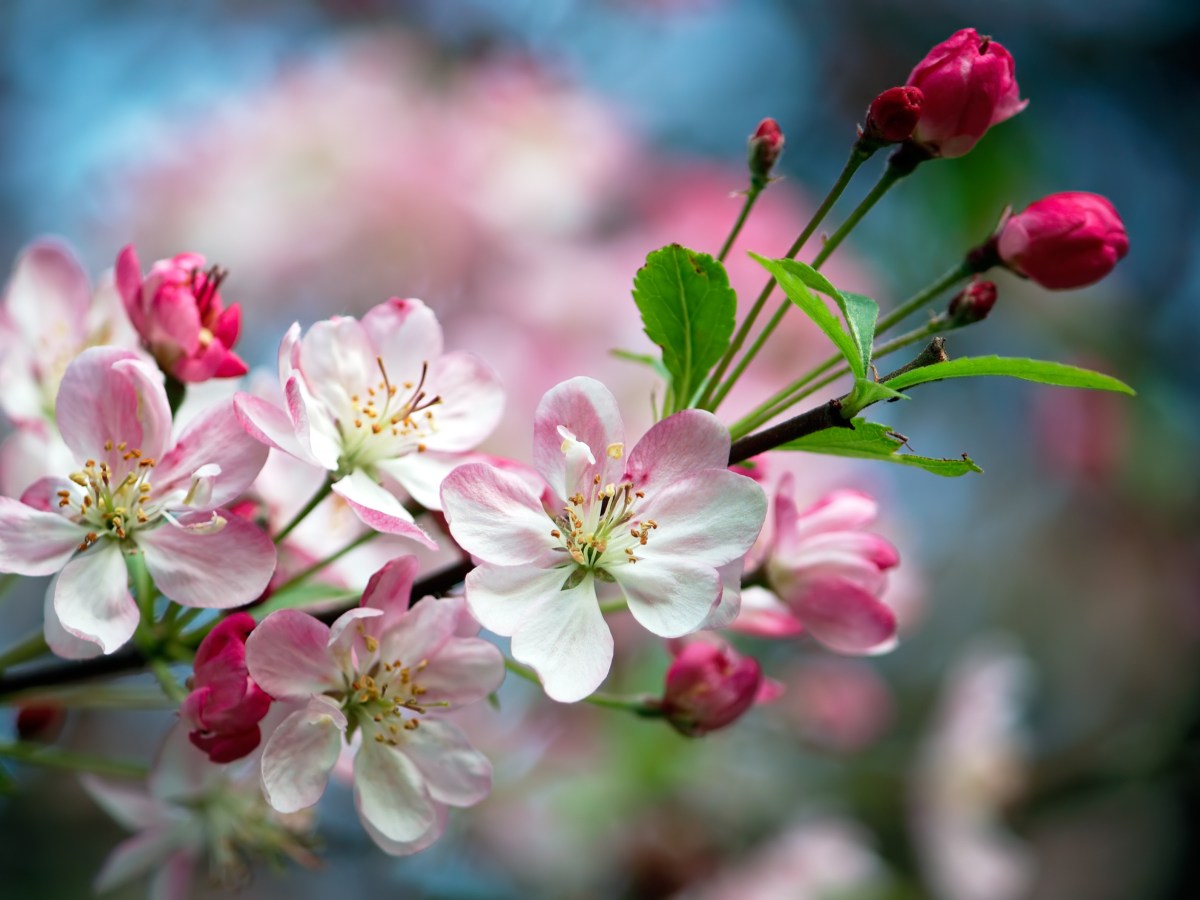
April – Apple
April (Mensis Aprilis) the second month of the ancient Roman calendar, received its name around 738 BCE. At that time, it followed March, Mensis Martis (named for Mars, the Roman god of war and agriculture), which was the first month of the year that aligned with the Spring Equinox. The word Aprilis comes from the…

Cedar: Pine or Cypress?
Genus: Cedrus (cedar) Family: Pinaceae (pine) My love of trees began in Frankfurt, Germany and continued when we traveled across the Atlantic to a small fishing town along Lake Michigan. There I met my first “cedar” trees. They were soft to the touch and their scent was intoxicating. These “cedars” actually became my first American…
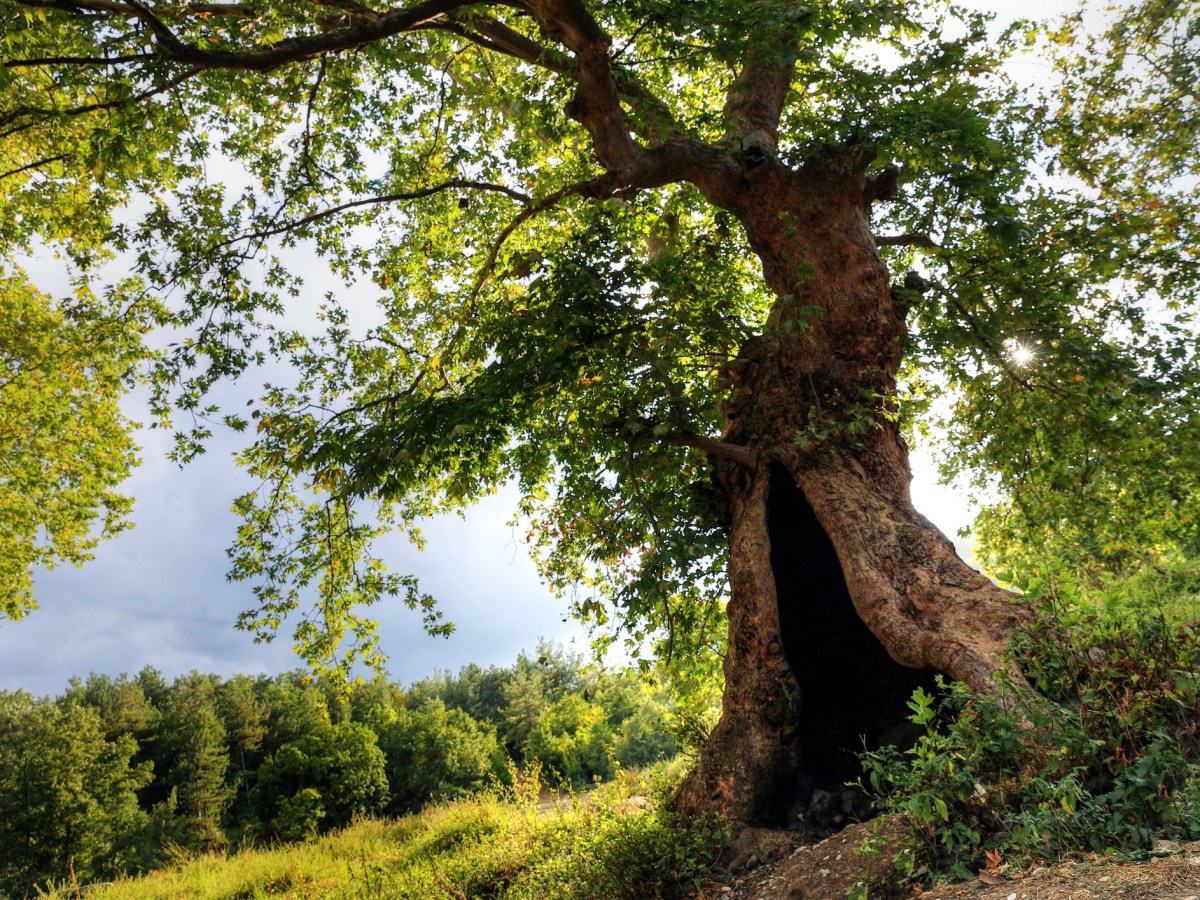
Sycamore or Sycomore
Genus: Plantanus (plane) Family: Platanaceae (plane) Trees have been intertwined with truth for thousands of years. In fact they share the same Indo-European root “deru” – meaning solid, strong, steadfast. “Trees are sanctuaries. Whoever knows how to speak to them, whoever knows how to listen to them, can learn the truth.” – Herman Hesse Trees hold…

Banyan – Reflection
Genus: Ficus (Fig) Family: Moraceae (Fig mulberry) I recently found myself reflecting on the 150 year old banyan tree in Lahaina, Hawaii. Experts are optimistic in its survival after suffering a devastating wildfire on the island of Maui. Nearly a hundred people have lost their lives and thousands have lost their homes or been displaced.…

December – Holly
December (Mensis December) is named for the latin word “decem” meaning “ten”. December was the tenth month in the old Roman calendars that began in March. In 153 BCE, the beginning of the year was moved from March to January, and December became the twelfth month. Holly has long been associated with the twelfth month…

November – Yew
November (Mensis November) comes from the Latin word “Novem”, meaning “nine”. In 738 BCE it was the 9th-month, of the 10-month lunar Calendar of Romulus, which began in March. In 153 BCE a revised twelve-month year began in January. November now became the eleventh month, but its name remained unchanged. Nine has long been a…
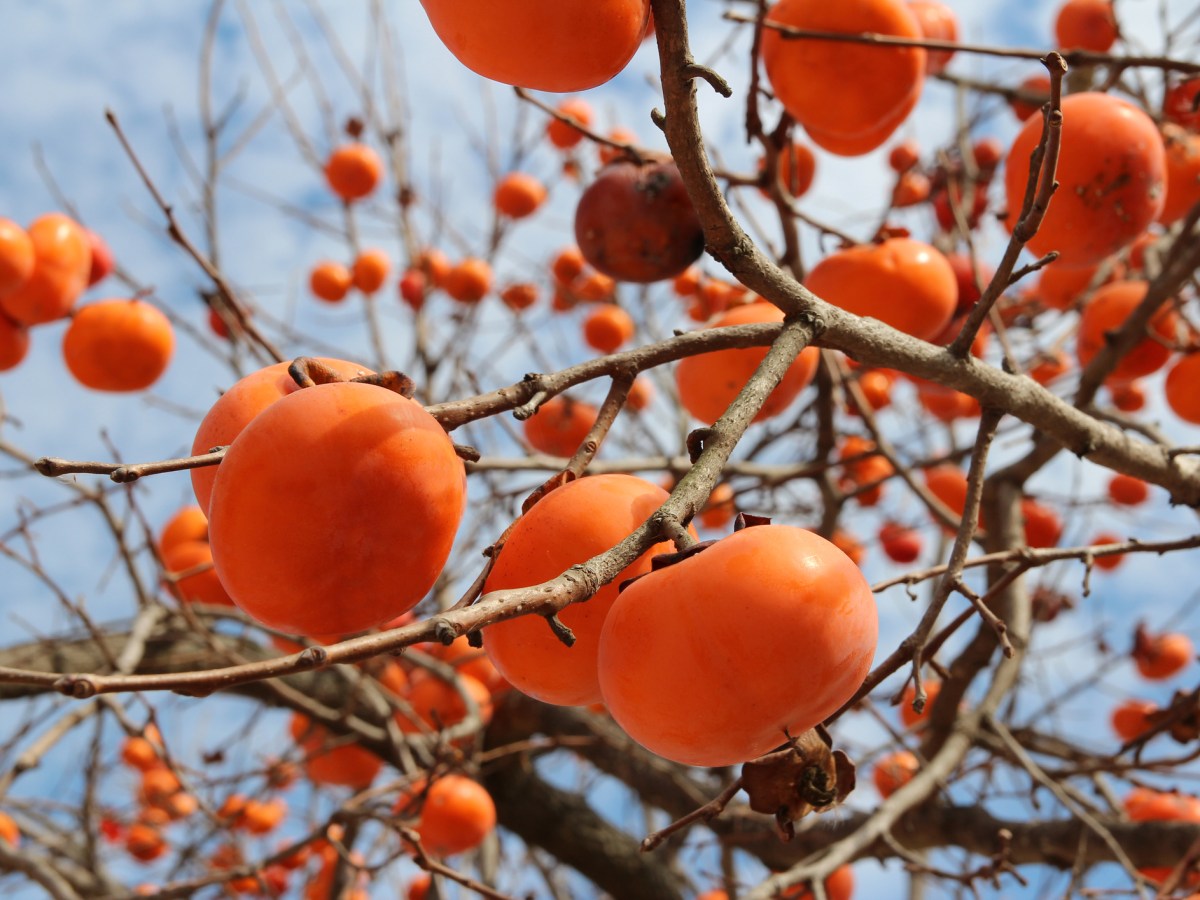
October – Persimmon
October (Mensis October) is named for the Latin word “Octo” meaning “eight”. Its name dates back to the ancient 10-month lunar Calendar of Romulus (c. 738 BCE) when the year began in March and October was the eighth month. In 153 BCE the new year changed to January, October became the tenth month, but its name…
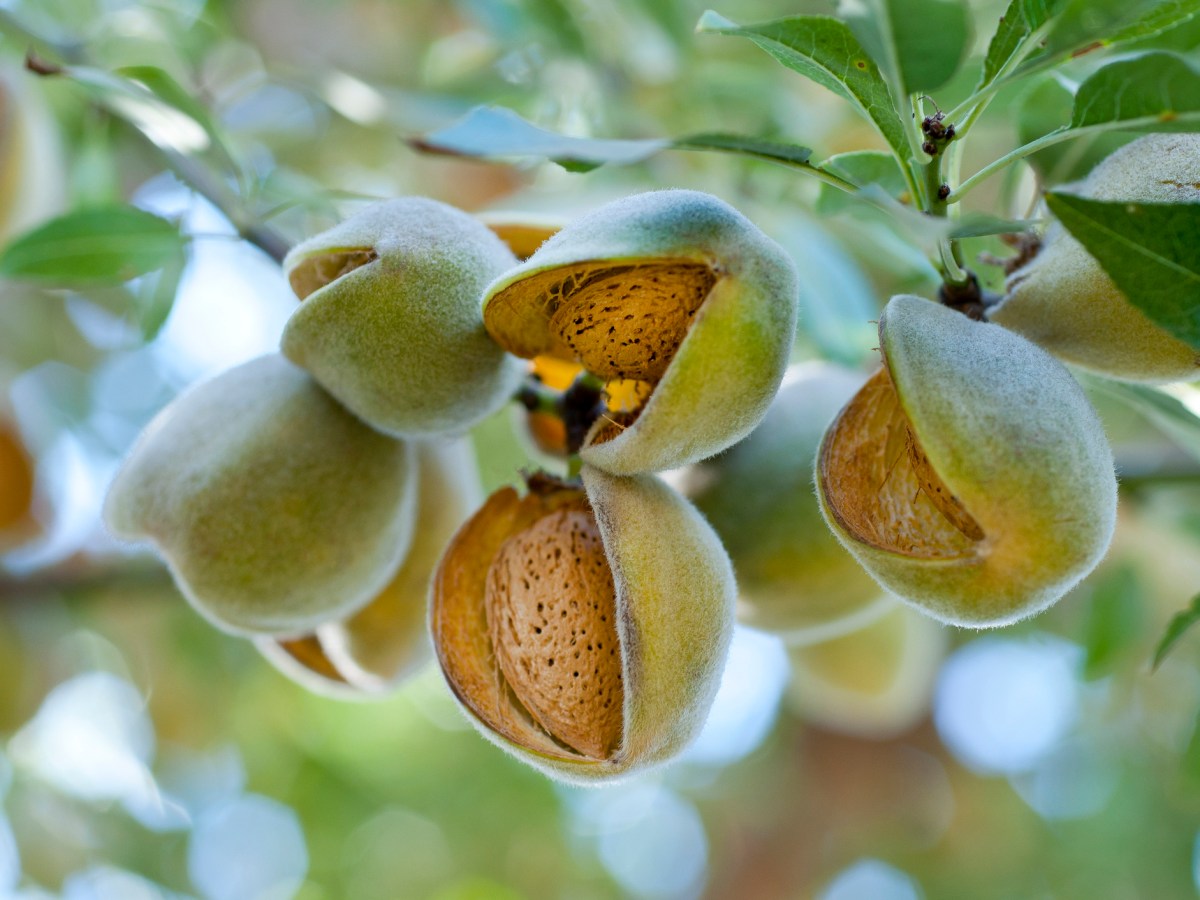
September – Almond
September (Mensis September) is named for the latin word septum, meaning “seven”, based on the ancient 10-month lunar Calendar of Romulus (c. 738 BCE). The year began in March, which made September the seventh month. September was aligned with the Fall Equinox. In 153 BCE the beginning of the year changed to January. September was…
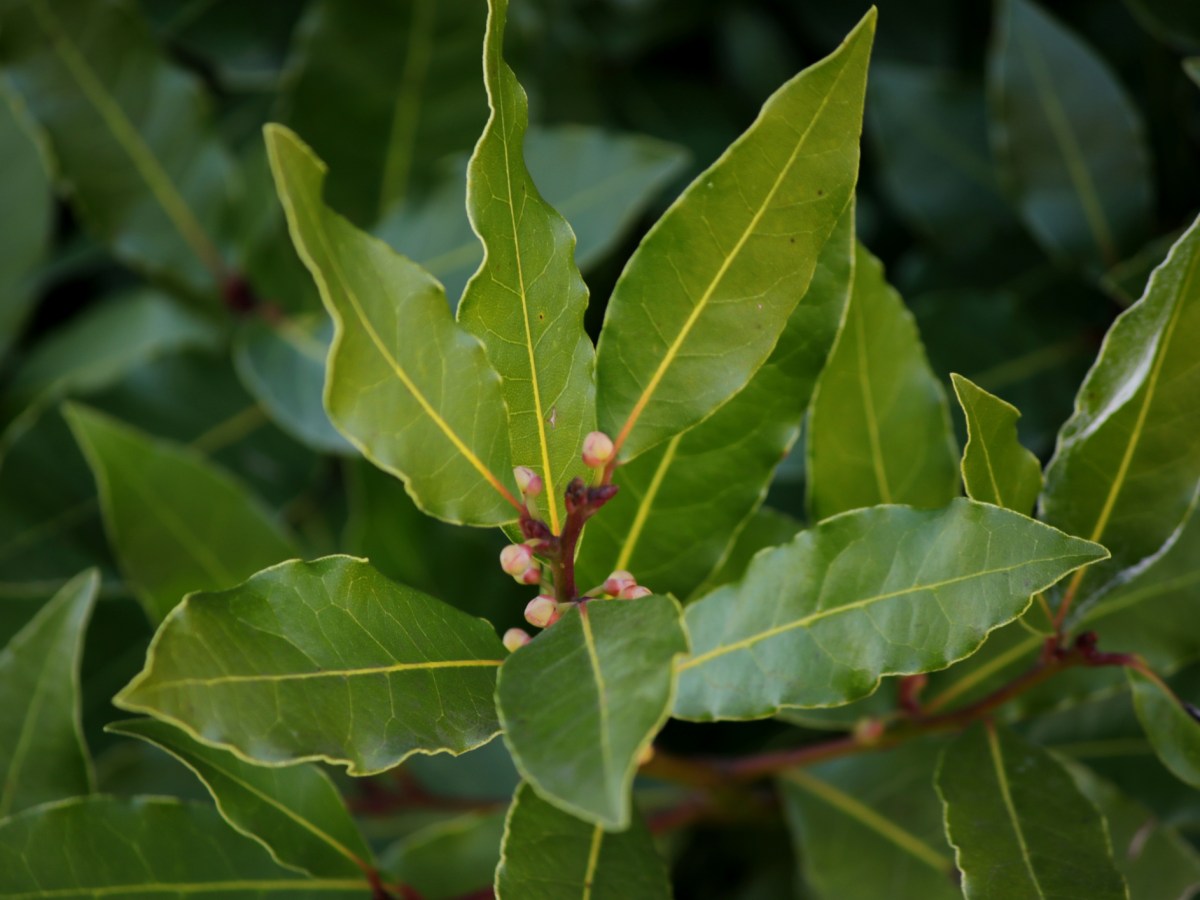
August – Laurel
August (Mensis Augustus) is named for Augustus Caesar, the first Emperor of the Roman Empire. He was born Gaius Octavius Thurinus (Octavian) on September 23, 63 BCE. On March 15, 44 BCE, Octavian learned that Julius Caesar, his great-uncle had been assassinated and that he had adopted Octavian as his sole heir before his death.…

July – Date Palm
July (Mensis Iulius) is named for Gaius Julius Caesar (b. July 12, 100 BCE – d. March 15, 44 BCE). Julius Caesar was a Roman general, statesman, scholar and orator. He was the last dictator of the Roman Republic as well as the first Roman to attain “divine” status. Caesar’s interest in his own divinity…
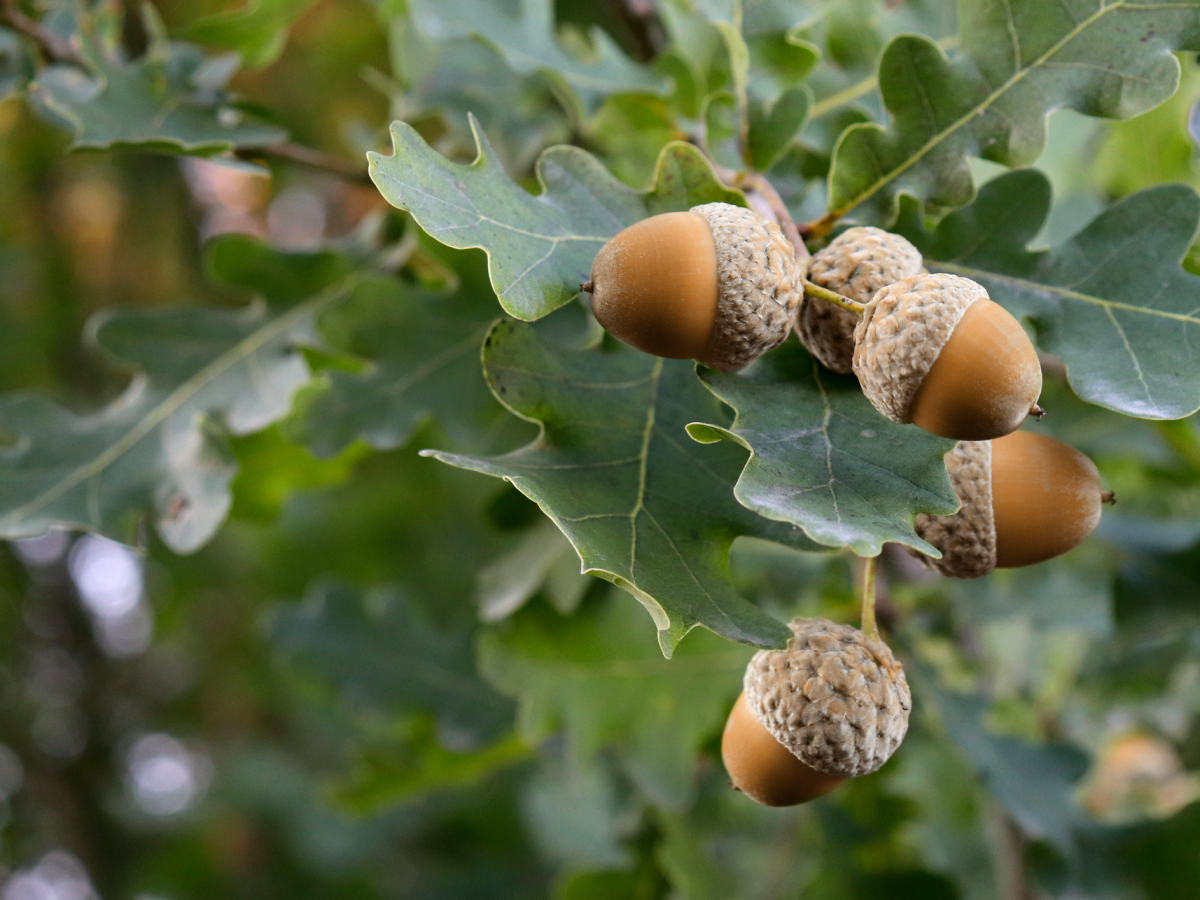
June – Oak
June (Mensis Junius) is named for Juno, an ancient and complex goddess of love, marriage, motherhood and protection as well as the cycles of the moon. In Roman mythology, she and her husband Jupiter were the divine King and Queen of the gods. Juno and Jupiter were equated with Hera and Zeus in Greek mythology.…

May – Magnolia
May (Mensis Maius) is named for Maia, the Roman “grand mother” of spring, fertility and flowers. Magnolias are considered to be the ancient “mother” of all flowering plants on earth. In Greek, Maia means “lady or elder mother. In Latin, Maia is related to the words maius, maior, majus, magnus and maiores meaning “larger, greater,…
April – Apple
April (Mensis Aprilis) the second month of the ancient Roman calendar, received its name around 738 BCE. At that time, it followed March, Mensis Martis (named for Mars, the Roman god of war and agriculture), which was the first month of the year that aligned with the Spring Equinox. The word Aprilis comes from the…

March – Fig
March (Mensis Martius) is named for Mars the Roman god of agriculture and war. In Roman mythology Mars is the son of Juno and Jupiter and father to Romulus and Remus. Fig trees were sacred to Mars, Juno and his children. According to legend, Mars impregnated Rhea Silvia, the virgin daughter of King Numitor, in…

February – Cypress
February (Mensis Februarius) is named for februum, which in Latin means “purify”. Februum is based on Februa, an ancient Roman purification ritual that honored the primordial Mother (Gaia, Isis, Hera, Rhea, Tera Mater, Cybele, Juno). The months of January and February didn’t exist in the original ten-month lunar calendar of Rome, for they were seen…
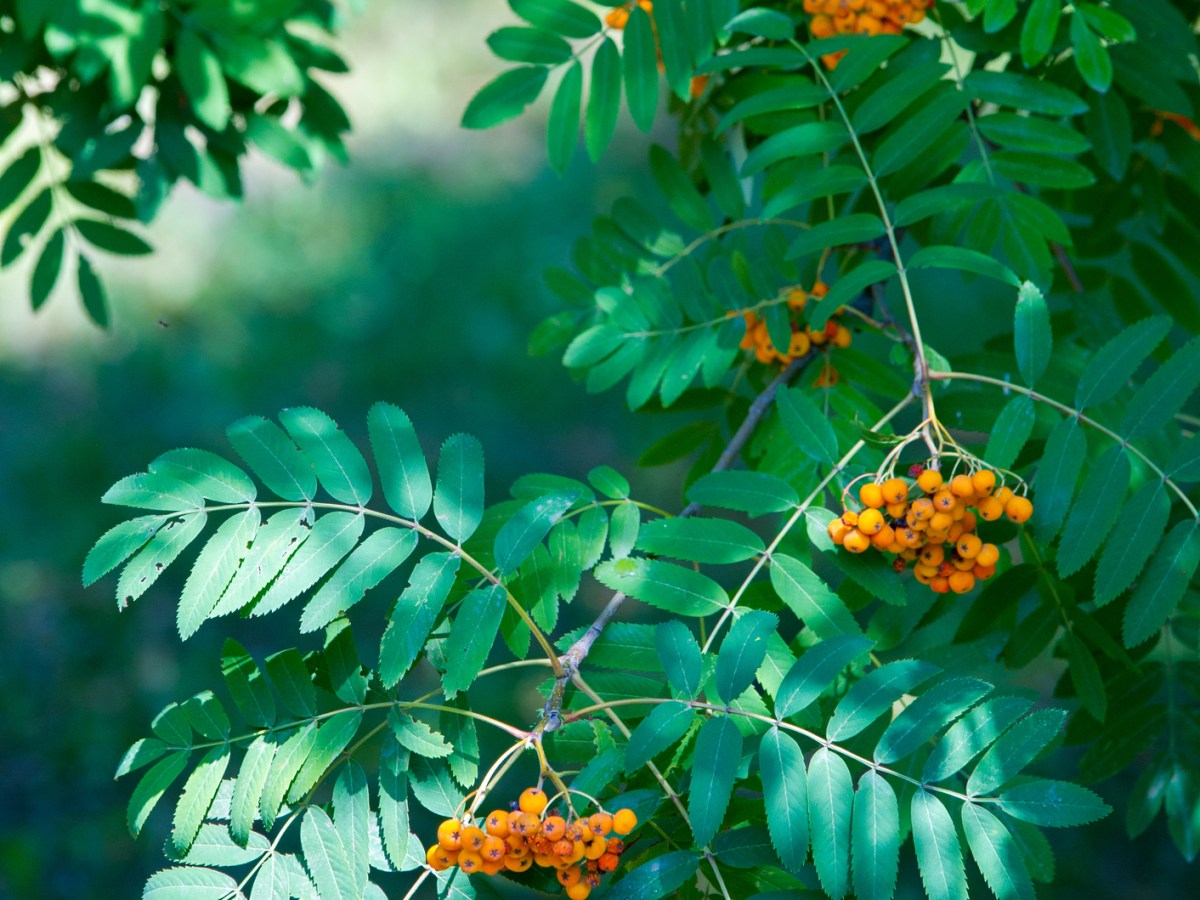
January – Rowan
January (Mensis Januarius) is named for Janus, the Roman god of beginnings and endings. Janus had two faces: one looked to the past and the other to the future, he held a staff in his right hand and keys in his left. The name Janus (Ianus) means “door” in Latin. Similarly, Rowan trees (Sorbus) were planted…
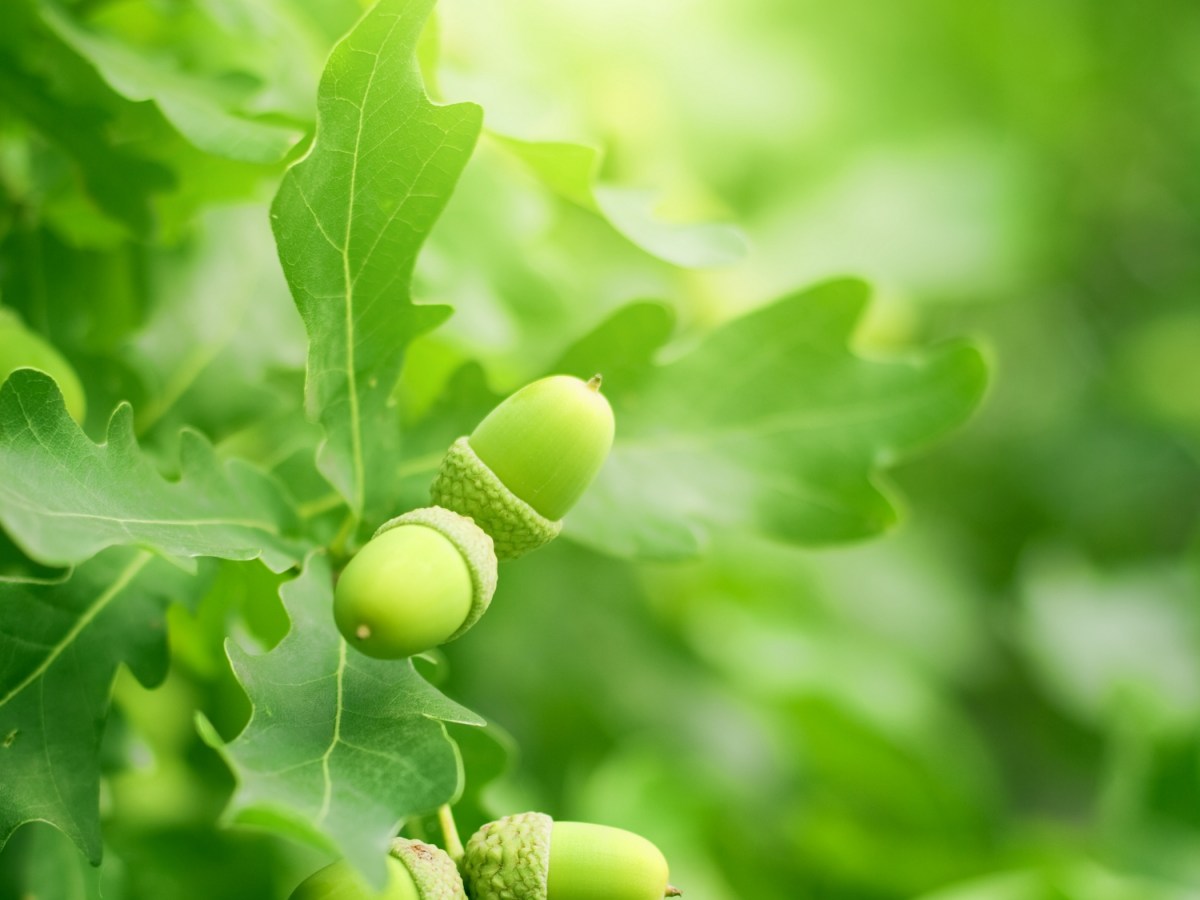
Welcome to Tree Spirit Wisdom
Welcome to Tree Spirit Wisdom. My goal is to create a nurturing, educational and inspirational place for you to remember and renew your soul. I believe trees have been silently guiding us on our journey through life from the moment we each took our first breath. We are, in fact, intrinsically interrelated and interdependent with…
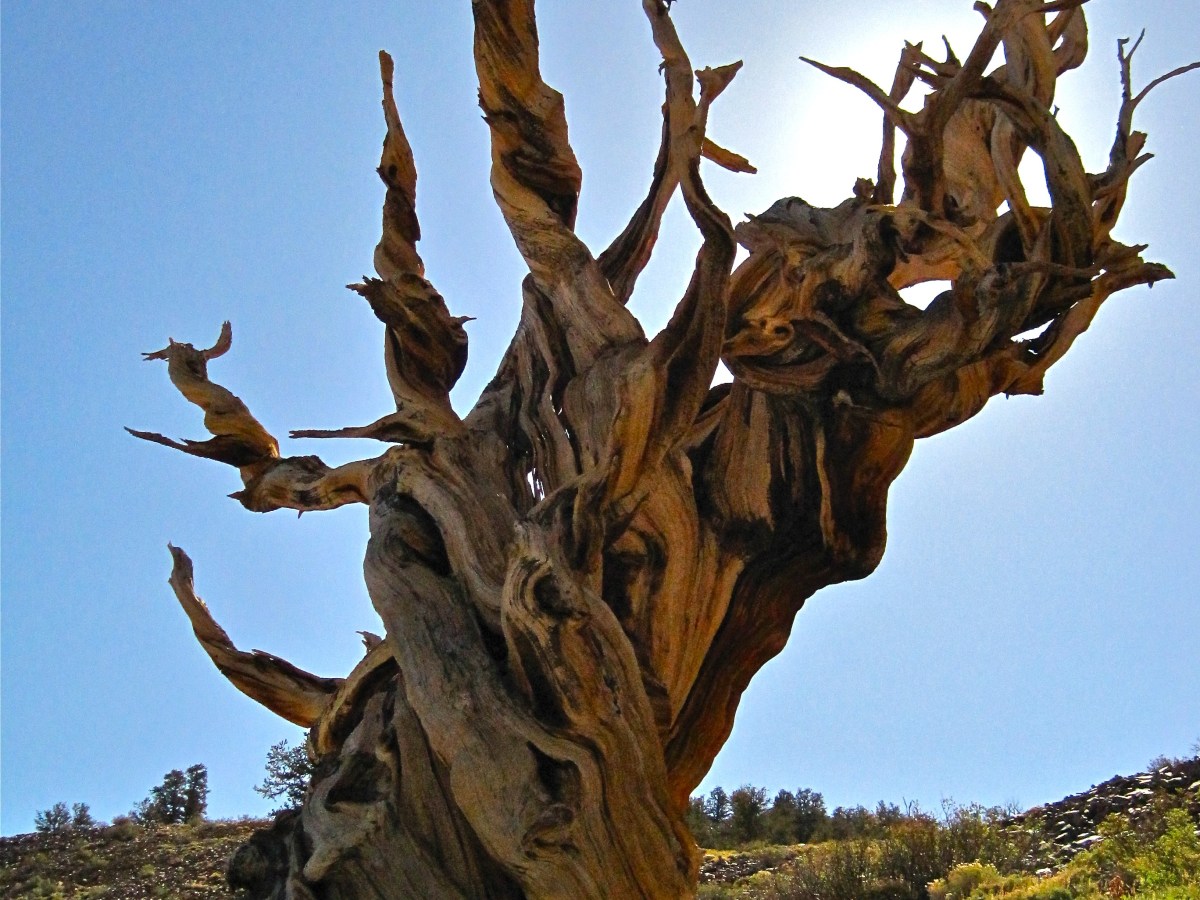
Tree Facts
“But down deep, at the molecular heart of life, the trees and we are essentially identical.” – Carl Sagan There are approximately 3 trillion trees on earth as of May, 2017. (Published in Nature News, 9/2/15 – a global count of tree species was compiled by a team of scientists and databases from around the world.)…
 Tree Spirit Wisdom