967,494 hits
Hello and welcome to Tree Spirit Wisdom. My hope is that you find this to be a nurturing and educational space to renew your soul by connecting with nature and the ancient wisdom of trees.
Over the course of my lifetime I’ve been fascinated with trees. They have inspired me to research the shared roots of world belief as well as the origins of language. This site, along with the books I’ve written, is my attempt to share what I’ve learned, which is a continual process of learning, unlearning and relearning.

Over 3 million years ago trees nourished and challenged our earliest African ancestors as they learned how to live within their embrace for food and shelter. Trees provided the “spark” that ignited our primal imagination and sense of wonder as we began to walk and explore the vastness of earth. They provided the raw materials necessary for life such as fire, shelter, tools, food and medicine. In essence we have co-evolved with trees. They inspired us to create music, art and language which is etched in our DNA and found in our stories.

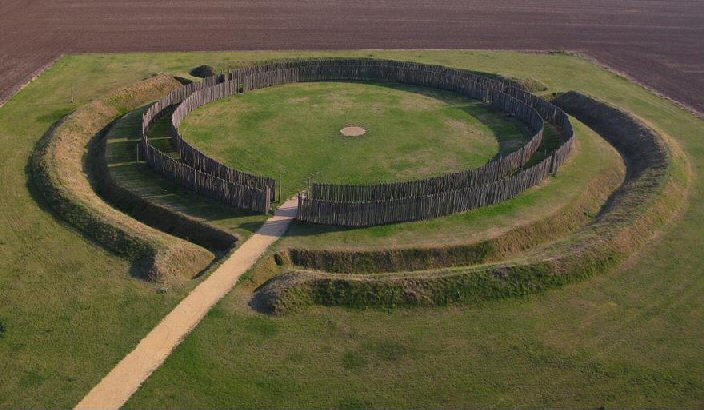
The rings of a tree mirror the circular movements of the sun, moon and stars. These cosmic rings formed the foundation of sacred geometry, which gave birth to the creation of calendars and agriculture. The word sacred is synonymous with the Sanskrit concept of divine as the shining ones in the sky. The word geometry is Greek for geos (earth) and metron (measure). Together this translates into the “measurements of earth and sky.” These sacred measurements inspired astronomy, math, architecture and science.
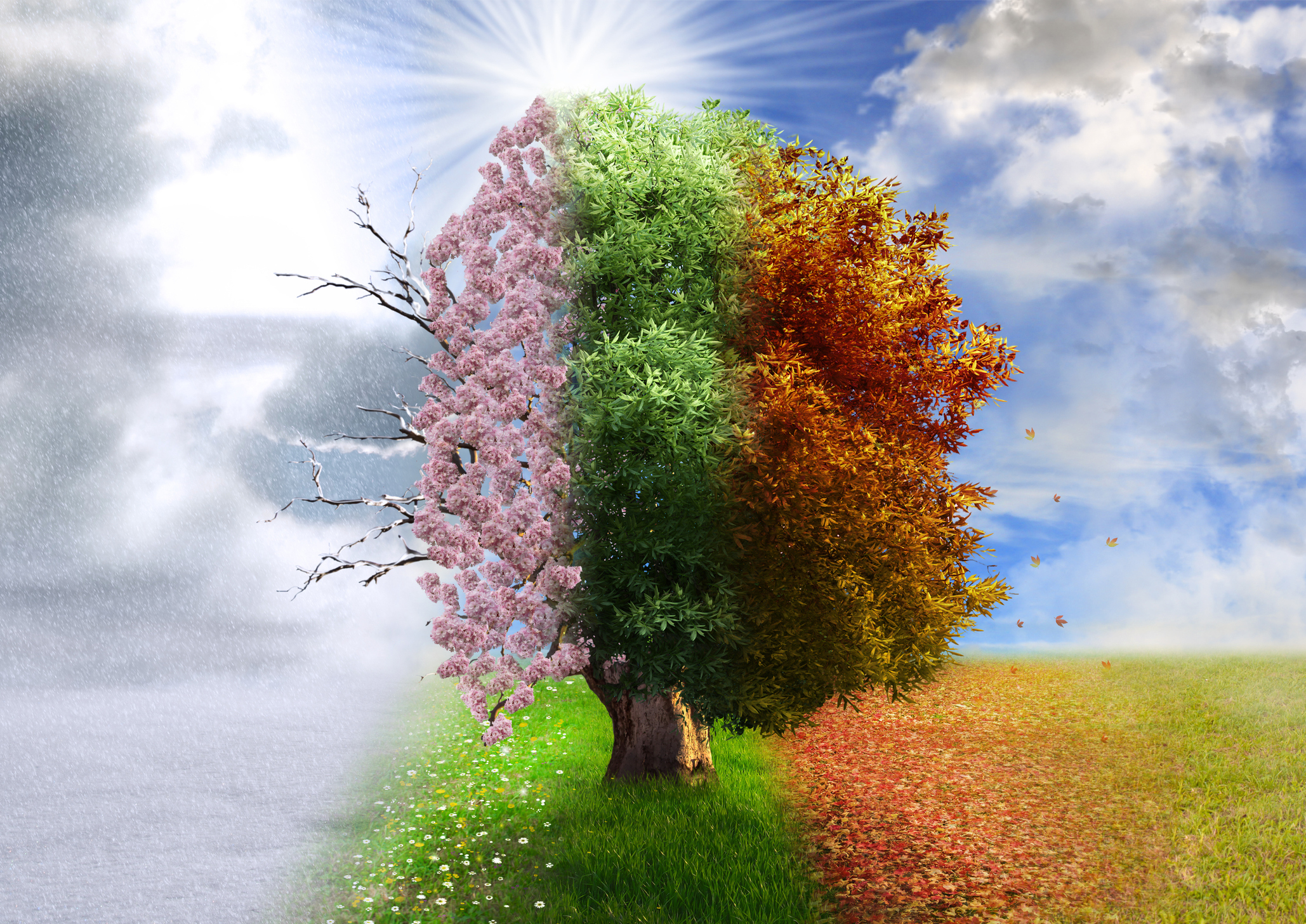
Trees also show us how to move through the earthly seasons of life by releasing their leaves in fall (death), drawing on their inner resources in winter (rebirth), sprouting new life in spring (birth) and spreading their branches in summer (life). Eventually, each and every tree experiences a larger more permanent physical death just as humans do. Once their vital life force leaves and they no longer breathe they gradually decompose and become one with the earth, but the spirit of the tree continues on in its roots that support the growth of new trees.
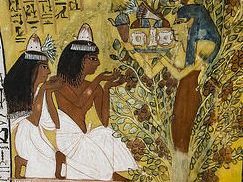
Many cultures honored “elder” trees as ancestors or guardians that carried the wisdom of the past, present and future. Eventually humans created sky gods and goddesses beyond themselves as a way to reflect their desires and dreams of immortality.

Honoring trees as “divine beings” was a worldwide practice. In Sumerian culture the Cedars of Lebanon were considered to be the “home of the gods.” The Oaks of Dodona in Greece as well as sacred oaks in Europe were seen as divine oracles that imparted wisdom through the sound of wind blowing through their leaves. Larch trees in Siberia acted as guides for shamans to travel through time and space. Sycomore figs in Egypt were known as “mother trees” who birthed day to night and night to day. Cottonwoods in North America connected mother earth with father sky in Sun Dance ceremonies. Dates trees in Africa, Gingko’s in China and Ceiba’s in Meso-America were all honored as Trees of Life to name a few.
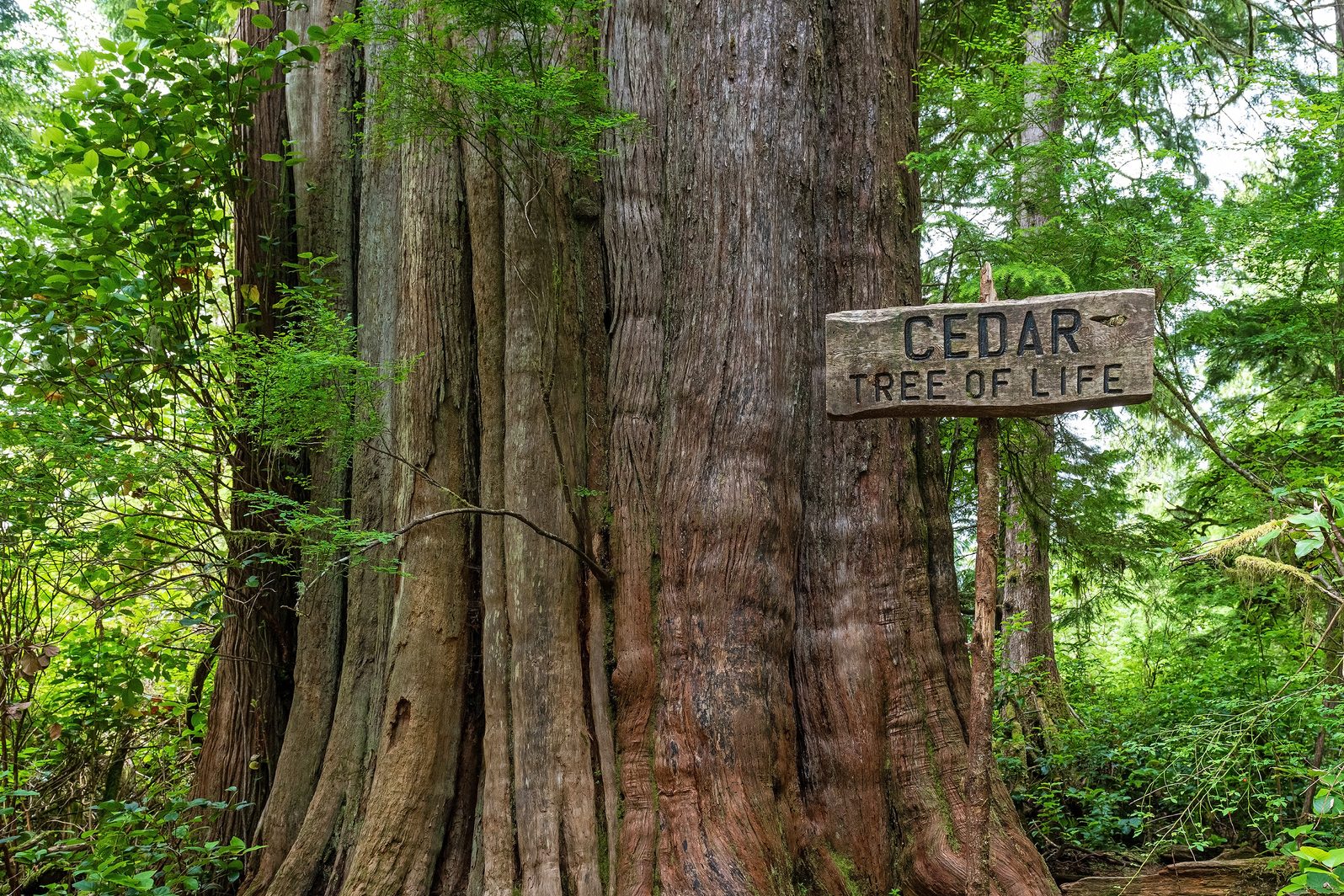
The ancient Hebrew names of god: Elohim, El, Elah/Alah, Elon/Alon, Elat/Alat, are interrelated with singular trees such as oak and cedar. Asherah, the feminine aspect of god is synonymous with sacred groves or forests that birth new trees.
As cultures evolved into towns and cities the need for law and order grew. Tree worship became a potential threat for those who wanted centralized authority and governance. Around 500 BCE the Persians asked the Hebrew people to provide a book of laws that outlined their beliefs. Their first Book of law was Genesis, which contained a creation story that featured two trees in the Garden of Eden. Adam and Eve (created by Elohim) lived in the Garden of Eden; home to the Tree of Knowledge and the Tree of Life. They could eat from the Tree of Life, but not from the Tree of Knowledge of Good and Evil. When they did, they were cast out of the garden and eternally separated from the Tree of Life.

This singular story holds the “original wound” of separation within ourselves, from each other and from nature itself. By understanding the roots of these ancient stories we can become whole again. To be whole is to be “holy.”
As monotheism (belief in one god) spread throughout the world, the original stories inspired by trees were feared and forbidden, which plummeted Europe into darkness for nearly 1300 years.
When Old World explorers landed in the “New World”, they encountered numerous new trees, with new stories and medicinal benefits. Inspired by these findings, scholars and cultural leaders began rediscovering the innate wisdom of trees. This awareness helped usher in a botanical Renaissance and the Age of Enlightenment.
During this time of enlightenment the Kabbalah (Tree of Life) and Tarot (Triumphs of Life) began to surface when it was safe for some of these names and stories to be known again. Today there are over 10,000 names for “god” and most of them are interrelated with trees.
During the mid-20th Century, Swiss psychoanalyst, Carl Jung (1875-1961) pioneered the field of behavioral psychology. He studied concepts such as individuation, the conscious and unconscious self, and the collective unconscious. He classified “archetypes” as aspects of the human condition. Jung felt that the human psyche was “by nature religious,” and what set humans apart from other species was their search for meaning in both life and death. He theorized that the psyche individuated (separated) itself from its soul in search of its unique purpose in life. Yet during this quest for purpose, the psyche ultimately longed to return home to the soul and feel whole. As a result of his work, Jung saw trees as the archetype of the psyche.

The word archetype, “original pattern from which copies are made” actually dates back to Plato, a Greek philosopher (424–347 BCE), who identified archetypes as ideas in pure mental form that were imprinted into the soul before it was born.

The trees of the world have been holding onto our stories to remind us that we are the ones who wrote them. By honoring the weaving of our shared story and the many cultures that created them we can heal the separation that exists within ourselves and our world.
“The Tree of Life lives within each of us, helping us awaken to our true nature. Let us reach out with branches of compassion, connect with each other through our shared roots, and hold space for all to grow and feel loved.” – Laural Virtues Wauters
These books are available through Amazon
Tree Spirit Tarot – Return to the Garden of our Soul
Mandala Chakra – Awaken the One Within
The Guardian Tree – The true story of Carmen Sylvia
The Everlasting Forest – A Worldly Adventure
 Tree Spirit Wisdom