Ash – Life Force
Genus: Fraxinus – Family: Oleaceae
Ash trees are associated with life force energy, creative expression and the power of the spoken word. They inspire us to sense the energy of the words we hear to understand their true meaning.
The first letter “A” in the English alphabet is directly related to Ansuz, the fourth letter in the Elder Futhark of the Proto-Germanic language. Ansuz literally meant the “breath” or “mouth” of an ash or oak. The Anglo-Saxon’s split the Ansuz rune into three sounds: “o” (mouth), “ac” (oak) and “ae” (ash). Ash as “ae” formed the words aether “luminous air” or “divine breath,” and aeon “life force” or “eternity.”
Life force, also known as Ayu or Prana in Sanskrit, Chi in Chinese and Od (Odic force) in German are seen as all-pervasive. In Hebrew, Ruach meaning spirit, was seen as the wind or “breath of life.” Ruach Elohim literally means, “spirit” or “breath of the most-strong”.
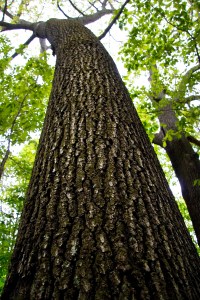
Ash is often associated with Yggdrasill (Odin’s horse) known as the World Tree. This occurred because ash and oak were so closely connected through the Norse god Odin. In reality, the yew was the tree of Yggdrasil, because yew was called “needle ash”.
The genus name Fraxinus in Latin, means “firelight.” The word “ash” is also used to describe the solid remains of a fire. The concept of “ash to ash, dust to dust” speaks to the transcendent nature of the ash spirit.
There are 45-65 species of ash that are native to Europe, Asia, Northern Egypt and North America. All belong to the olive family. The European ash, Fraxinus excelsior or common ash produces hard yet flexible wood. It is a large deciduous tree that can grow to be 150 ft. tall and live to be 250 years old.
Ash trees actually helped inspire the age of transportation. Ash wood was used to build chariots, wagons, carriages and even early model cars. In 1903 the Wright brothers built the Flyer 1 in Kitty Hawk, North Carolina, using ash for its strong yet lightweight and flexible nature. The seeds of an ash are commonly known as “keys” or “helicopter seeds,” as another reminder for us to flow with the wind.
Message: Ash asks us to be aware of our breath and our words for they fuel our life force. Trees are often referred to as the lungs of our planet for they breathe in what we breathe out. In this way, we fuel each other. This is a time of spiritual transformation. We are being asked to make choices that impact us on a material level, but are equally important to our soul.
Challenge: Feeling depleted or suffocated by oppressive thinking that boxes us in or limits our potential. Not being able to dream.
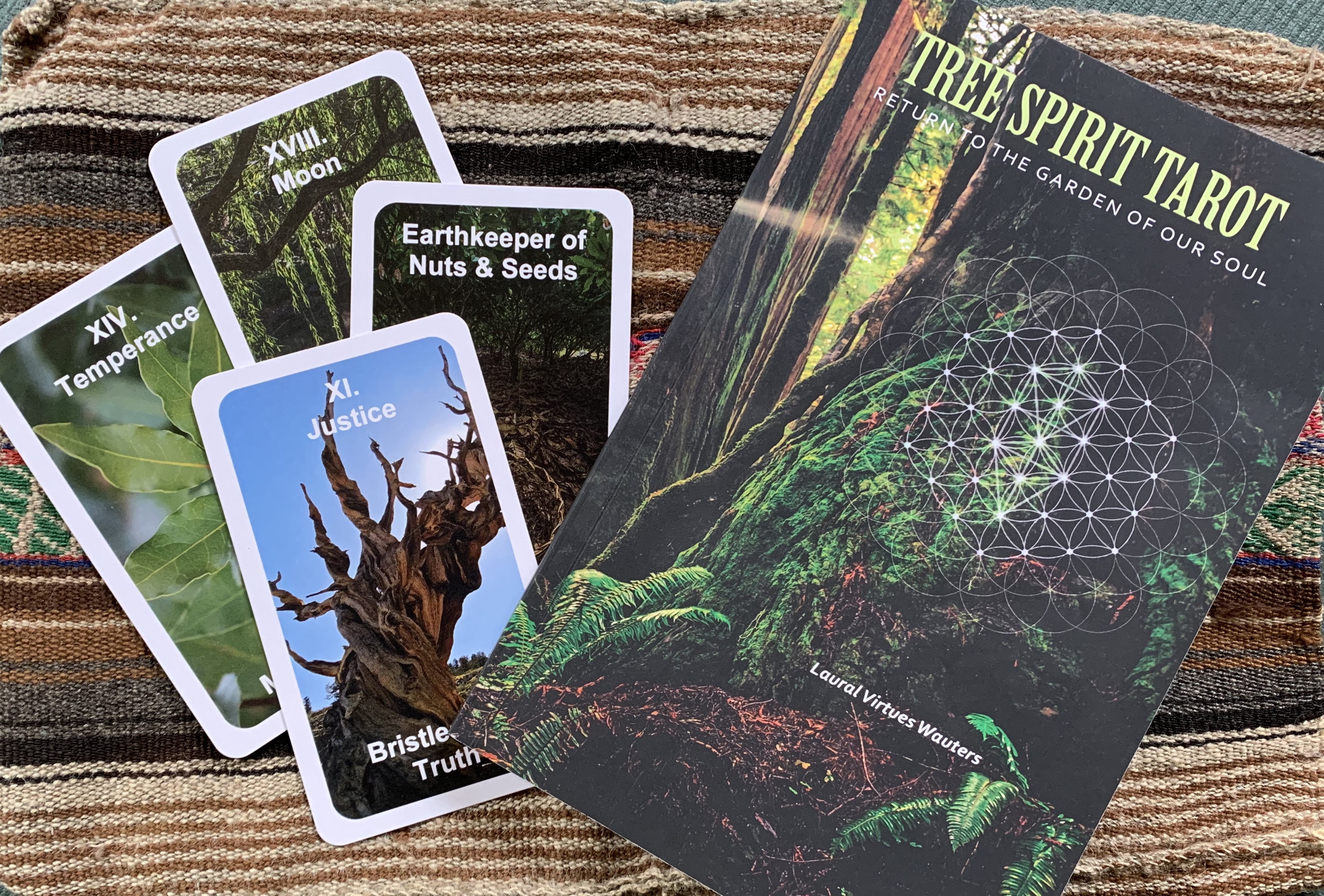
If you liked what you read and want more... you may be interested in having the actual guidebook and card deck. The 204 page full-color book is sold separately from the cards. My goal is to find a publisher who can offer this as a set. In the meantime, you can purchase either the book or cards via these links. Thank you for you support. Laural
Tree Spirit Tarot – Return to the Garden of our Soul
Tree Spirit Tarot book available at: Amazon
Tree Spirit Tarot deck available at: Printers Studio
For more information visit: lauralwauters.com
 Tree Spirit Wisdom
Thanks for your efforts, thanks for your blessing
LikeLike
Was this written using AI or something? Odin’s horse is Sleipnir, not Yggdrasil. And the 3rd paragraph doesn’t seem to have anything to do with the rest.
LikeLike
This is not written by AI, it is written by me and I am a human. The third paragraph is focused more on the idea that ash is associated with “life-force energy” based on the Germanic Runes, which to me is the bigger story of ash. The Odic force, the creation essence of Oden is found in ash.
I also agree that the eight-legged horse Odin rides on is named Sleipnir, but just as there are many names for Odin there are many names for Odin’s horse. The word Yggdrasil is most often interpreted as the World Tree, but it is also believed to be another name for Odin’s horse in the form of a tree based on the words “Yggr” one of Odin’s many names, and “Drassil” meaning horse in the old Norse language. Norse mythology is complicated by the fact that it is a blend of Germanic Runic language and the Edda’s written over thousand years later. The rune for horse is “ehwaz”, while yew is “eihwaz“.
Odin, the “all father” was associated with the “anzuz” rune. Anzuz also meant oak and ash tree as the mouth and breath of Odin/Wotan. The Anglo-Saxon’s later split the “ansuz” rune into three vowel sounds: “o” (mouth of Odin), “a/ac” (oak) and “ae” (ash). Yew, “eihwaz” was associated with the vowel “i” and the phonetic “ae“. This meant that both ash and yew were associated with “ae“, which form the words aether “divine breath” and Aesir “the gods of Asgard“.
This overlap between yew and ash may have caused the yew to be mistaken as an ash tree (Fraxinus). Yews were also called “needle ash”, based on the similar yet different shape of their leaves. Throughout the Edda’s, Yggdrasil is identified as an evergreen tree, while Ash is a deciduous tree.
I try my best to make sense of these stories and their relationship to trees, but because I am human and these mythological stories were created and interpreted by humans there are lots of inconsistencies. You may be interested in reading a longer story about yew that explains a bit more of the Norse mythology. I hope that helped. Thanks for asking.
LikeLike